
Free Shipping On All Orders

Cart

Your cart is currently empty.

Continue shopping

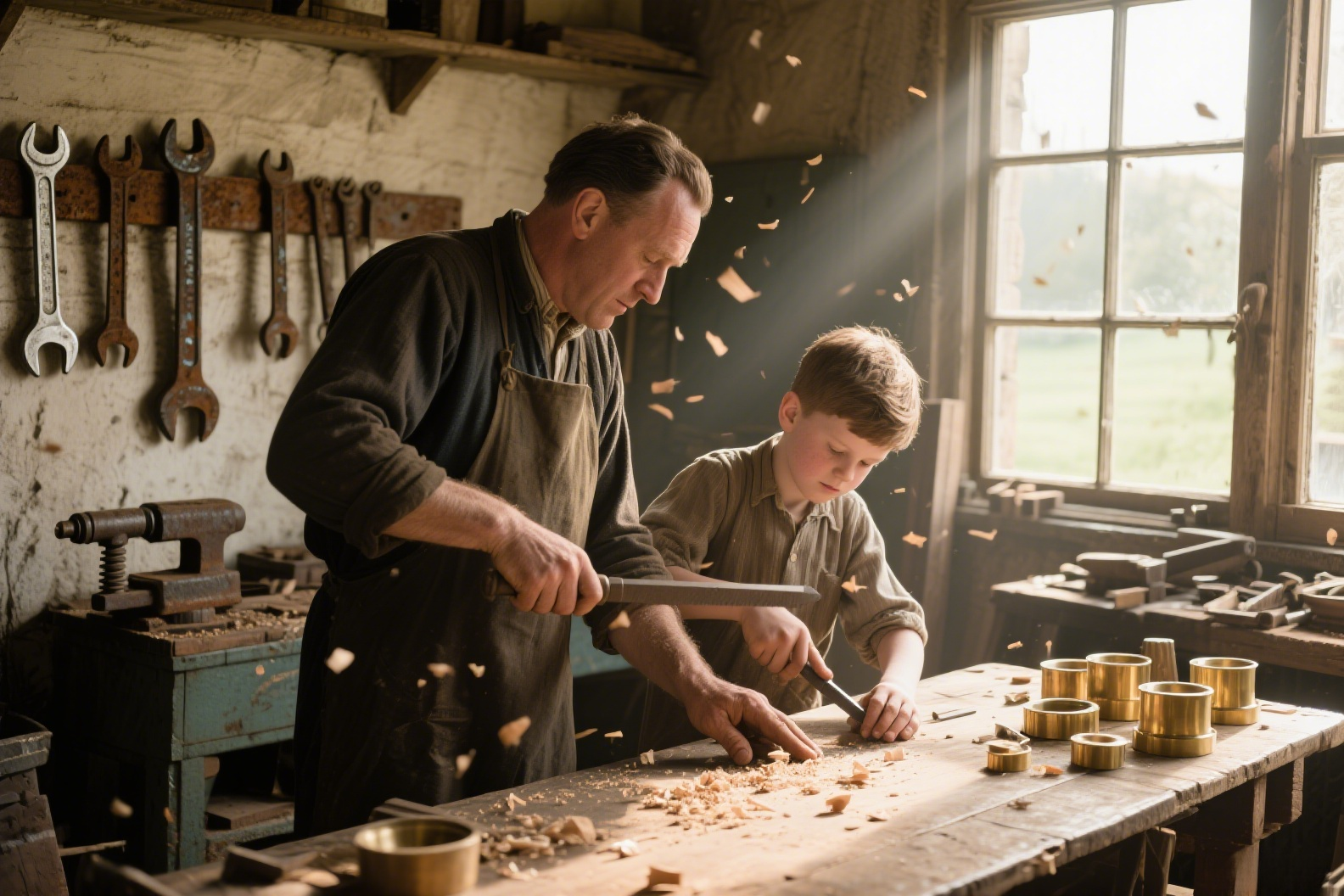
In the outskirts of Coventry in 1952, an eighteen-year-old lad completed his first independent sharpening of a pair of pruning shears in his father's woodworking shop. The late spring sunlight filtered through the linden leaves onto the metal blade as his father pointed out the skewed curve with sawdust-covered fingers: "You have to think about the roses of the lady down the lane; they can't withstand rough handling."
Back then, the countryside had no power tools, and the workshop's anvil would ring out every morning. Neighbours would queue up with their farming tools needing repair, bringing along freshly-baked scones or homemade cider. The young man remembered how the blind old carpenter loved to feel the tools he made, saying, "Good things speak for themselves; you can hear the reassuring weight say 'Trust me.'"

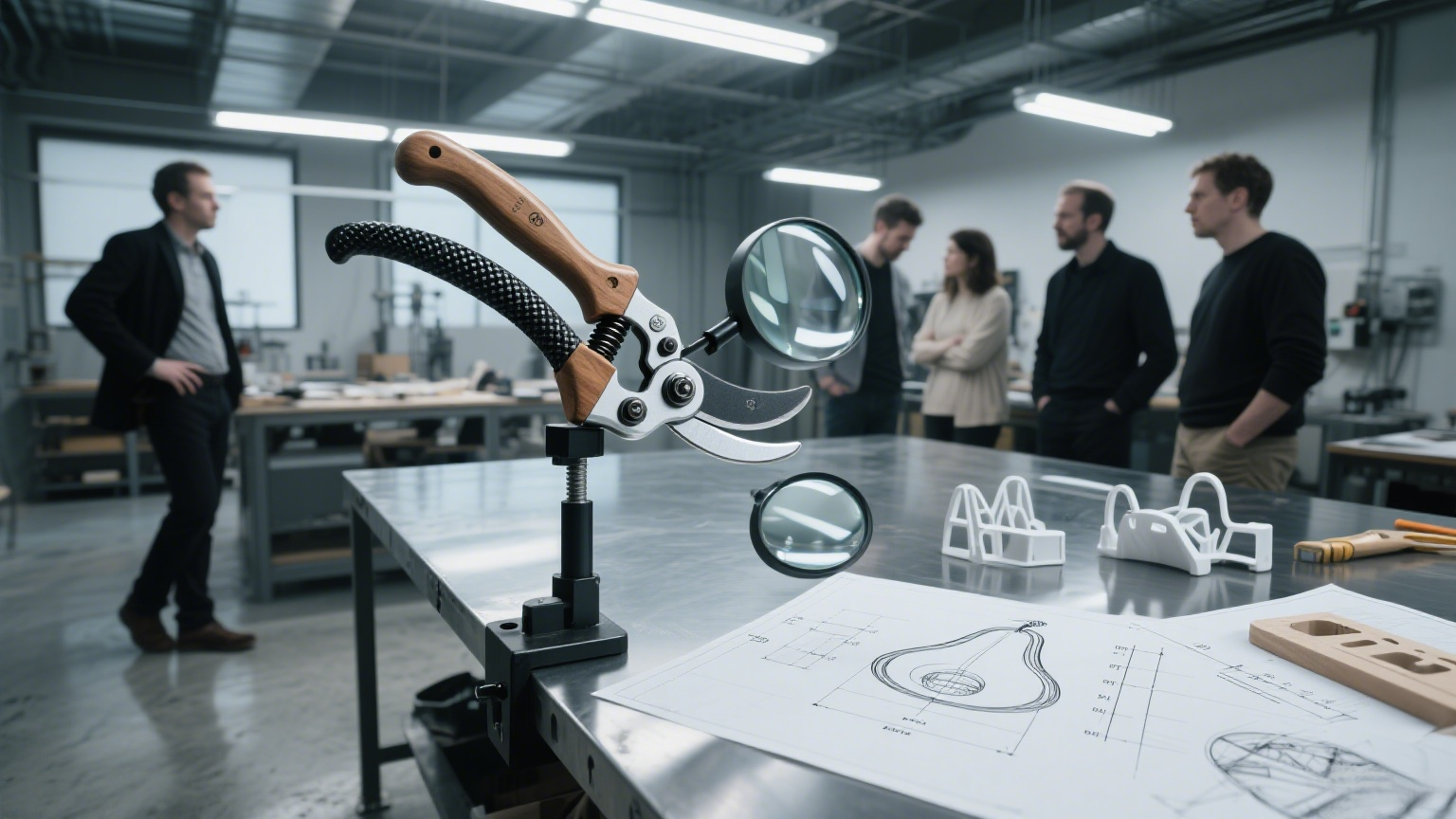
In the drought of 1976, now middle-aged, he watched villagers struggle with heavy manual mowers on parched land and resolved to create more efficient tools. He turned his barn into a laboratory, sketching over three hundred designs by kerosene lamp. His wife would bring him hot cocoa at dawn, worried about the scratches on his hands.
On the day the first electric mower was trialled, the entire village came to watch. When the machine smoothly cut through the weeds, a seventy-year-old woman tottered forward and gently touched the sleek casing: "This lad still remembers when I couldn't grip a hoe." He later learned that his mother had discreetly noted neighbours' difficulties in her notebook; annotations like "arthritis" and "heart disease" by initials became his warmest guide when designing tools.

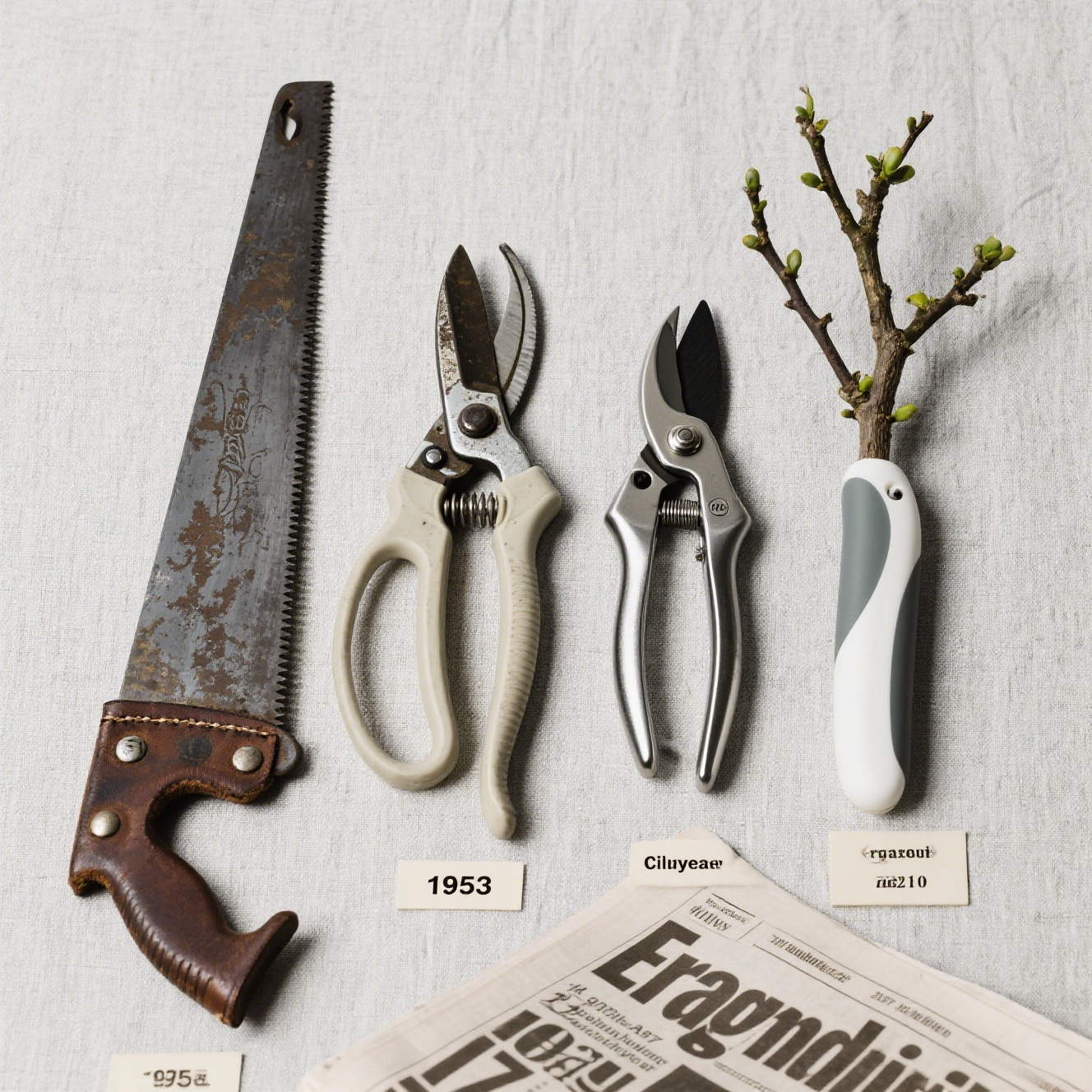
When his son took over the family business in 2010, he kept his father's design notes. On the day the solar-powered mower launched, he took a prototype to visit the ninety-year-old lady in the nursing home. Though her hands could no longer hold the switch, she broke into laughter upon hearing the machine hum: "Just like your father's tools, there's a kindness in the sound."

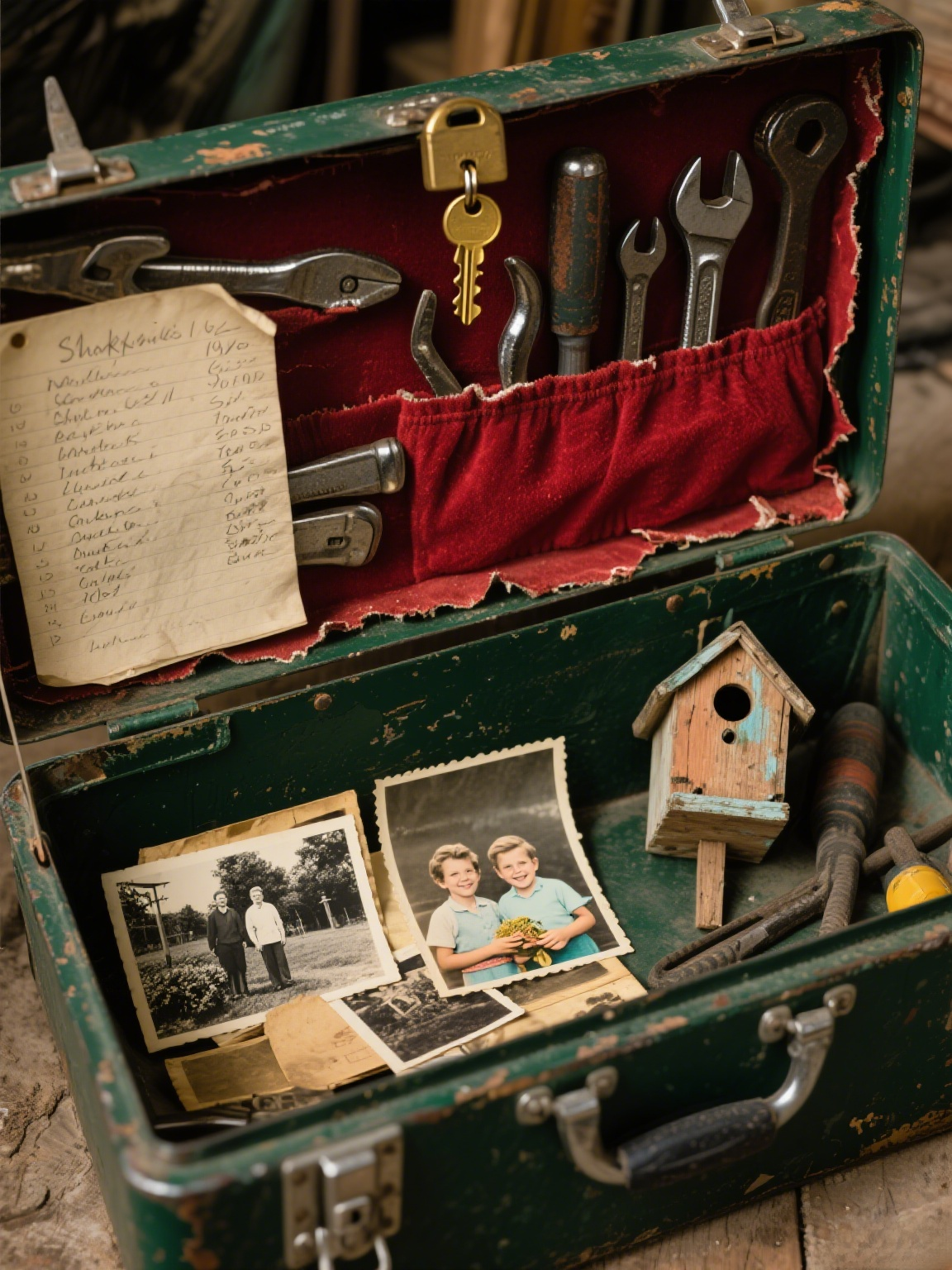
In the family display room, a special cabinet holds donated old tools from customers. Next to a blue welding gun from 1983, a yellowed note reads: "Used it to fix my daughter's swing, then later her wedding bed." Beside it, a 2005 pair of pruning shears is accompanied by a family photo showing a young boy trimming saplings with it, now a father of three.
"Every tool records a family's story," the young owner often tells the designers. They've designed single-handed pruners for single mums, adjusted mower heights for wheelchair users, and even crafted weighted spanners for elders with Parkinson's. 
Once, they received a letter from a solitary senior saying Harper’s tools made her feel "not alone battling the garden weeds," bringing tears to the whole team.
Last winter, while tidying up the warehouse, the owner found his father's old workbench. The various etchings on the surface were marks left by countless tools over half a century. He gently placed the latest cordless mower beside them, old and new products standing quietly in the sunset as if listening to the passage of time.